condo
Home

Tips for Buying Condos for Sale: What Every Buyer Should Ask

More Canadians are buying condos than ever before. In fact, recent housing reports show that condos now account for nearly one-third of all new home sales in urban areas. If you’re exploring options like Pickering’s new condos, it pays to dig deeper before you sign on the dotted line. Affordability, low-maintenance living, and modern amenities make them appealing, especially to first-time buyers. But behind the shiny new countertops and rooftop lounges, there are questions every buyer must ask.

Check the Condo Board and Rules

building

The condo board isn’t just paperwork, but it’s the group steering your investment’s future. A board that communicates openly and manages responsibly usually means fewer surprises. Ask about how often they meet and how decisions are shared with residents. Rules also shape daily living. Some buildings ban short-term rentals or limit the number of pets. These restrictions may not matter today, but could impact your future flexibility. Try attending a board meeting before buying, if possible.

Understand the Monthly Fees

Monthly condo fees are often misunderstood. Many buyers assume they’re fixed, but fees can rise year after year. Asking what the payments cover and how often they’ve changed in the past is crucial. If fees include heating, water, and building upkeep, they might be reasonable. But if they’re unusually low, the building could be neglecting long-term maintenance. That’s a risk no buyer should take lightly. To get a clear picture, request a history of past fee increases. A pattern of steep jumps may suggest financial trouble. Steady, modest adjustments typically point to better management and planning.

Ask About the Reserve Fund

house fund

Every well-run condo maintains a reserve fund, essentially a savings account for big repairs. Without it, owners can be hit with sudden, hefty bills. Reviewing the fund balance is one of the smartest steps a buyer can take. Older condos usually require more upkeep. If the reserve fund doesn’t match the building’s age, you could face major assessments. Newer properties should still contribute steadily, preparing for future needs. Don’t be shy about asking for a financial audit or a status certificate. These documents highlight whether the condo’s finances are stable or hanging by a thread.

Investigate Location and Future Plans

Location often drives value more than the unit itself. Buyers should ask about proximity to transit, schools, and shopping areas. Everyday convenience will affect both quality of life and resale potential. Future development is another factor. New projects can either raise property values or create congestion and noise. Knowing what’s planned nearby helps you decide if the area is a long-term fit. Talk to local planners or browse municipal websites for upcoming projects. This small step can give you a huge advantage over buyers who only focus on what’s visible today.

Review the Lifestyle Fit

A condo is a way of living. That’s why it’s important to picture yourself in the space day-to-day. Ask how amenities are maintained and whether they match your habits. Pools, gyms, and party rooms sound attractive, but unused amenities are wasted costs. Paying for features you’ll never touch is like buying shoes that never leave the closet. Look for perks that fit your lifestyle instead of flashy extras. If possible, tour the property at different times of the day. Seeing how residents use the common spaces can help you gauge if the community vibe matches what you want.…

Read More
Home

Why Routine Lock Maintenance is Key to Home Security

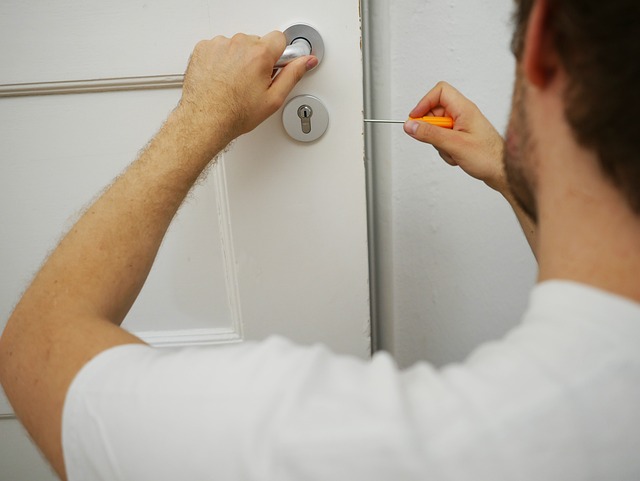
Your home is your sanctuary, a place where you feel safe and secure. But how often do we think about the locks that protect it? Many homeowners overlook routine lock maintenance, assuming these crucial elements will function flawlessly without any care. However, like everything else in our homes, locks need attention too. Neglecting them can lead to costly repairs or worse—compromised security. Let’s dive into why maintaining your locks should be at the top of your home security checklist.

Increases Lifespan of Locks

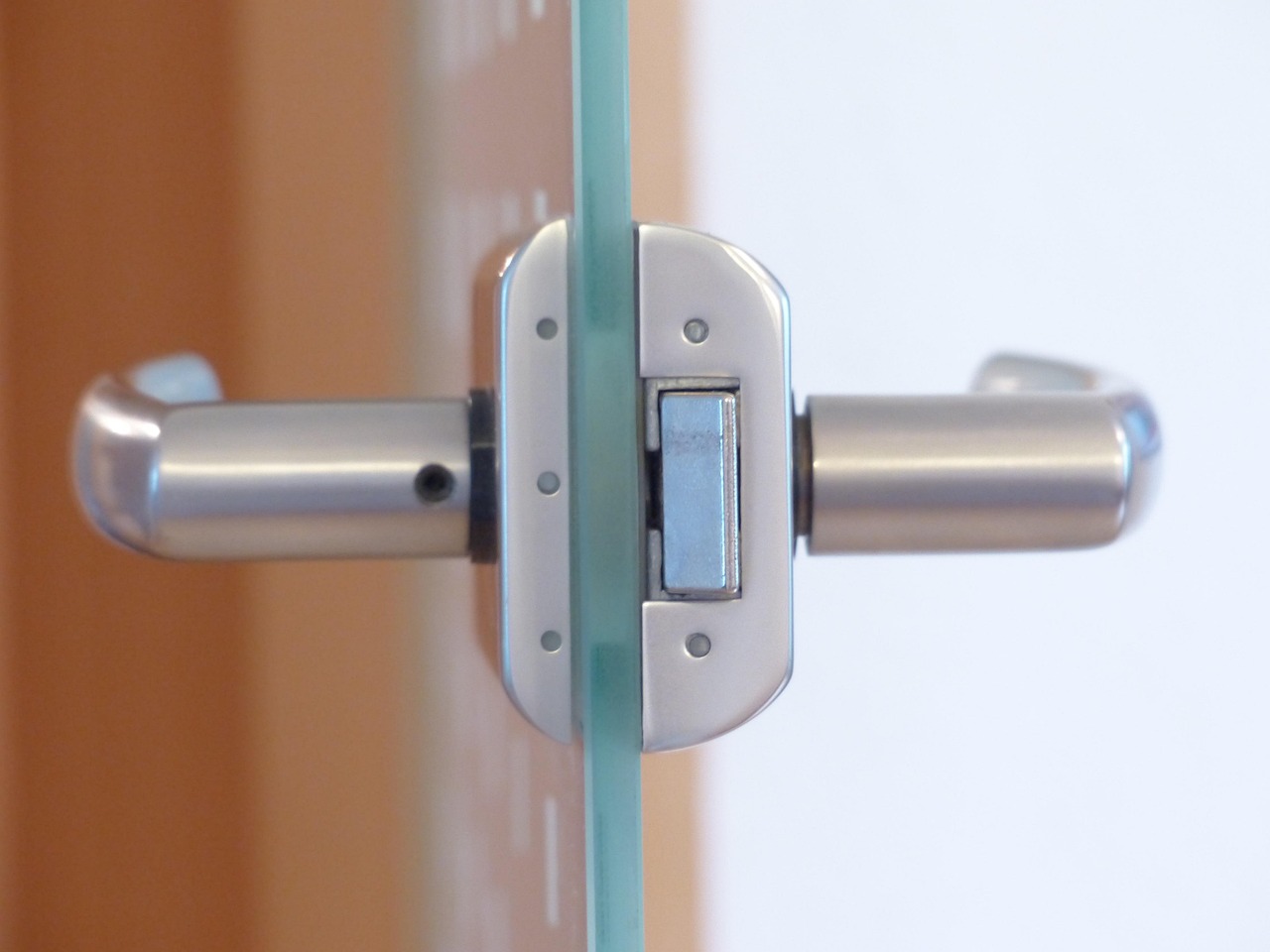
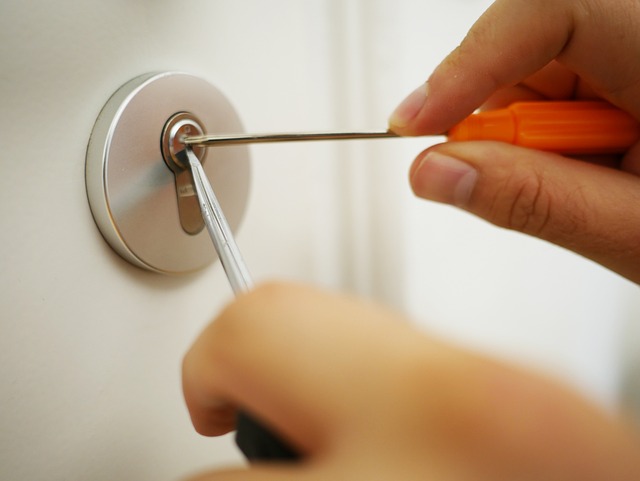
Regular maintenance plays a crucial role in extending the lifespan of your locks. Over time, dirt and grime can accumulate inside lock mechanisms, causing them to wear down faster than expected. A simple cleaning routine can keep these essential components functioning smoothly. Lubrication is another key factor. Applying the right lubricant helps prevent rust and corrosion. This habit enhances performance and minimizes the risk of unexpected breakdowns. Regular inspections allow you to identify potential issues before they escalate. Small problems can often be fixed easily if caught early on, saving you from costly replacements later. By investing just a little time into maintaining your locks, you’re ensuring that they serve their purpose for years to come while keeping your home secure and protected.

Reduces Risk of Break-Ins

Routine lock maintenance plays a crucial role in enhancing your home security. When locks are regularly checked and serviced, they function more reliably. This reliability acts as a strong deterrent against intruders. A well-maintained lock is less likely to jam or malfunction during critical moments. During an emergency, you want assurance that your entry points will be secure effectively. Furthermore, many burglars look for easy targets—homes with obvious signs of neglect often catch their attention first. By keeping your locks in prime condition, you send a clear message: this home is protected. Additionally, modern locksmiths can provide upgrades to existing systems during maintenance checks. These enhancements may include advanced locking mechanisms that significantly reduce the chance of unauthorized access. Prioritizing routine lock care secures your property and gives you peace of mind knowing that you’ve taken proactive steps against potential threats.

Cost-Effective in the Long Run

Regular lock maintenance may seem like an added expense, but it pays off over time. Maintaining your locks can prevent costly repairs or replacements down the line. When you invest in routine checks and lubrication, you’re ensuring that the internal mechanisms function smoothly. It reduces wear and tear, extending the life of each lock. A well-maintained lock is less likely to jam or break. Additionally, when you avoid unexpected emergencies caused by faulty locks, you save on urgent locksmith services. These services often come with a premium price tag during odd hours. Think about the peace of mind that comes with knowing your home is secure without frequent interruptions for repairs. The small investment in regular upkeep far outweighs the potential costs associated with compromised security or emergency fixes.

Conclusion

Routine lock maintenance plays an essential role in enhancing home security. Taking care of your locks ensures they function correctly when you need them most. A secure home is peaceful, allowing you to focus on what truly matters—your family, friends, and everyday life. Prioritizing routine maintenance helps create a safe environment where everyone feels protected and at ease. Embrace this small yet impactful habit to safeguard your home for years.…

Read More